










 My blog




Friday15November
Waking up in the heart of Kyoto. While the city is less cosmopolitan than its neighbor Osaka (the suburbs of the two cities touch), it still has 1.5 million inhabitants! Yet it is renowned as the cultural center of the country. It's no coincidence that it was the imperial capital of Japan for almost a thousand years until 1868. Our first day in the city will thus be dedicated to the Fushimi Inari Taisha and Tofukuji shrines.

The arrival at Fushimi shrine passes through an alignment of Yakitori (skewers) vendors...


Fushimi Inari Taisha Shrine
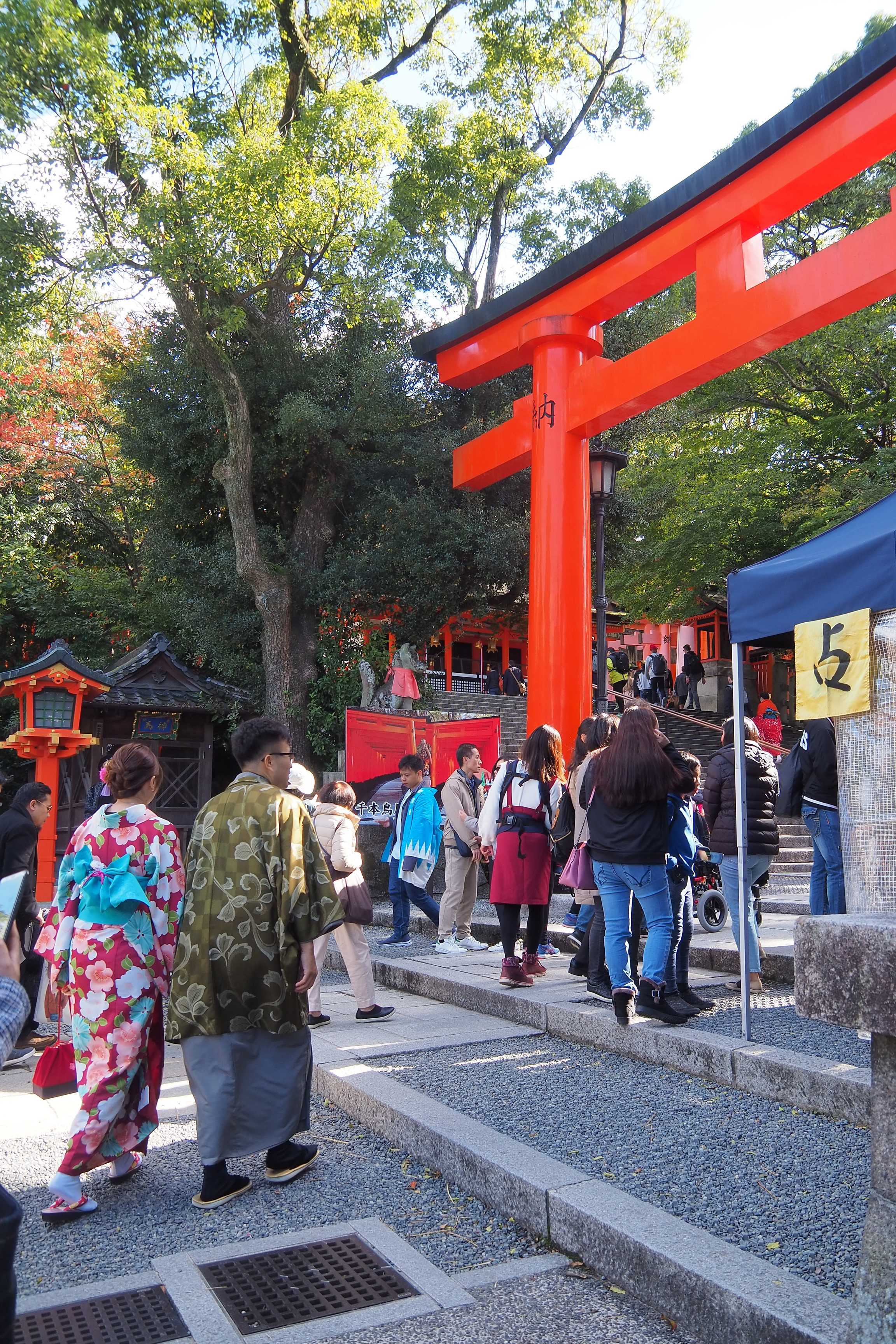
Vermilion orange torii welcome tourists and worshippers in front of the temples.


Shinto believers pass by the chōzubachi fountain to purify their hands and mouth.


The two torii align in front of the temple.

Kitsune, the faithful fox of the God Inari, with the key to the granary in its mouth for one, and a wheat sprout for the other.


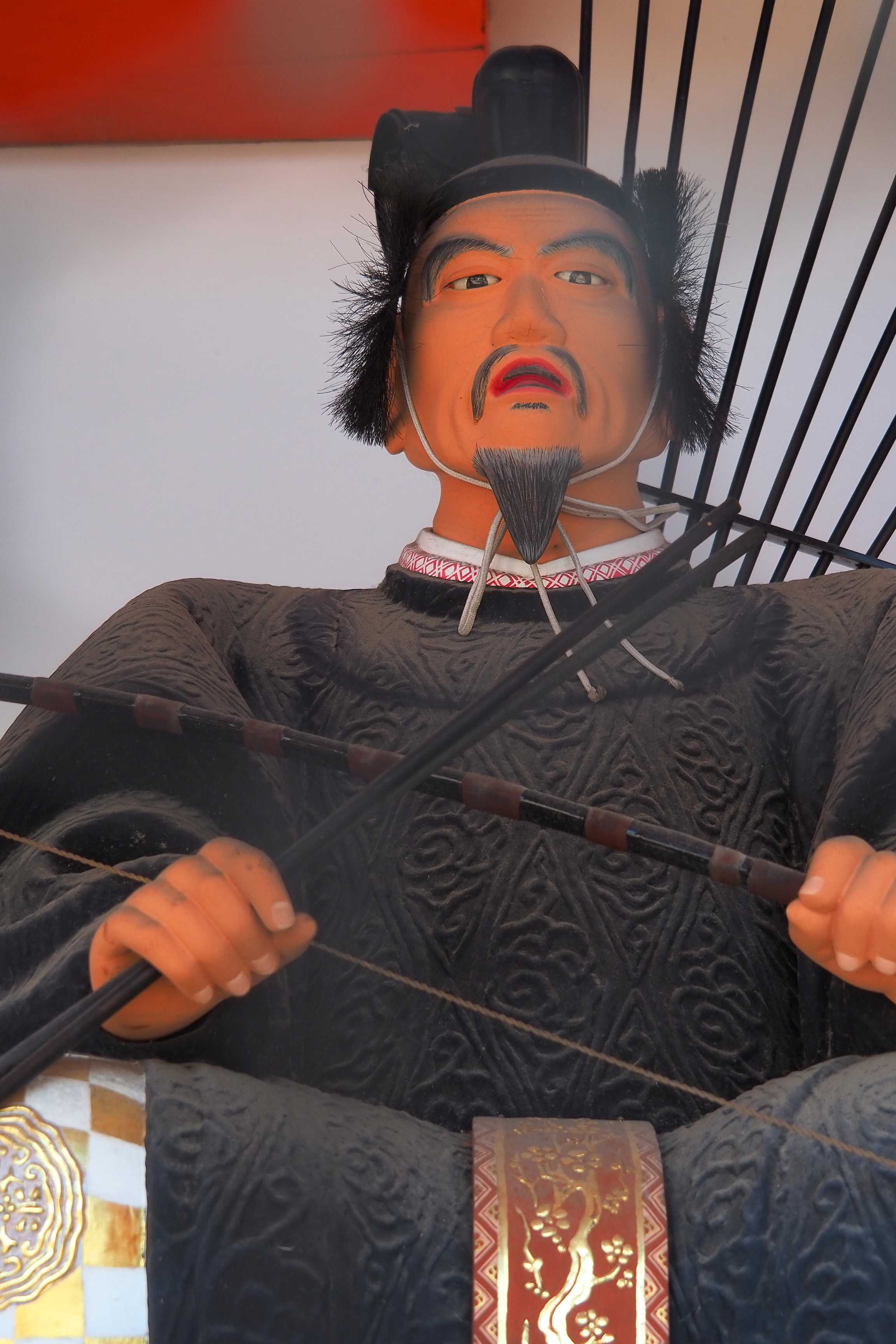
Two Zuijin, the guardian archers of the temple.

Ema in the shape of Torii, of course... Shinto ex-votos can take any form as long as the owner puts all their heart into writing their thanks or requests on them... yes.gif


A bustling counter. Shinto worshippers (or not) shake cylinders to randomly draw an Omikuji stick... Each stick has a number that allows them to get a paper strip with a happy omen (or not) at the neighboring counter in response to a secretly made wish... If the omen doesn't please the "player", they still have the option to ward off bad luck by hanging the strip on the support provided by the temple.


The torii at the foot of these steps is the first in a long series. While in Tsuwano, we passed under a thousand torii. Here, no less than ten thousand vermilion gates line the path leading to various shrines at the top of the mountain.

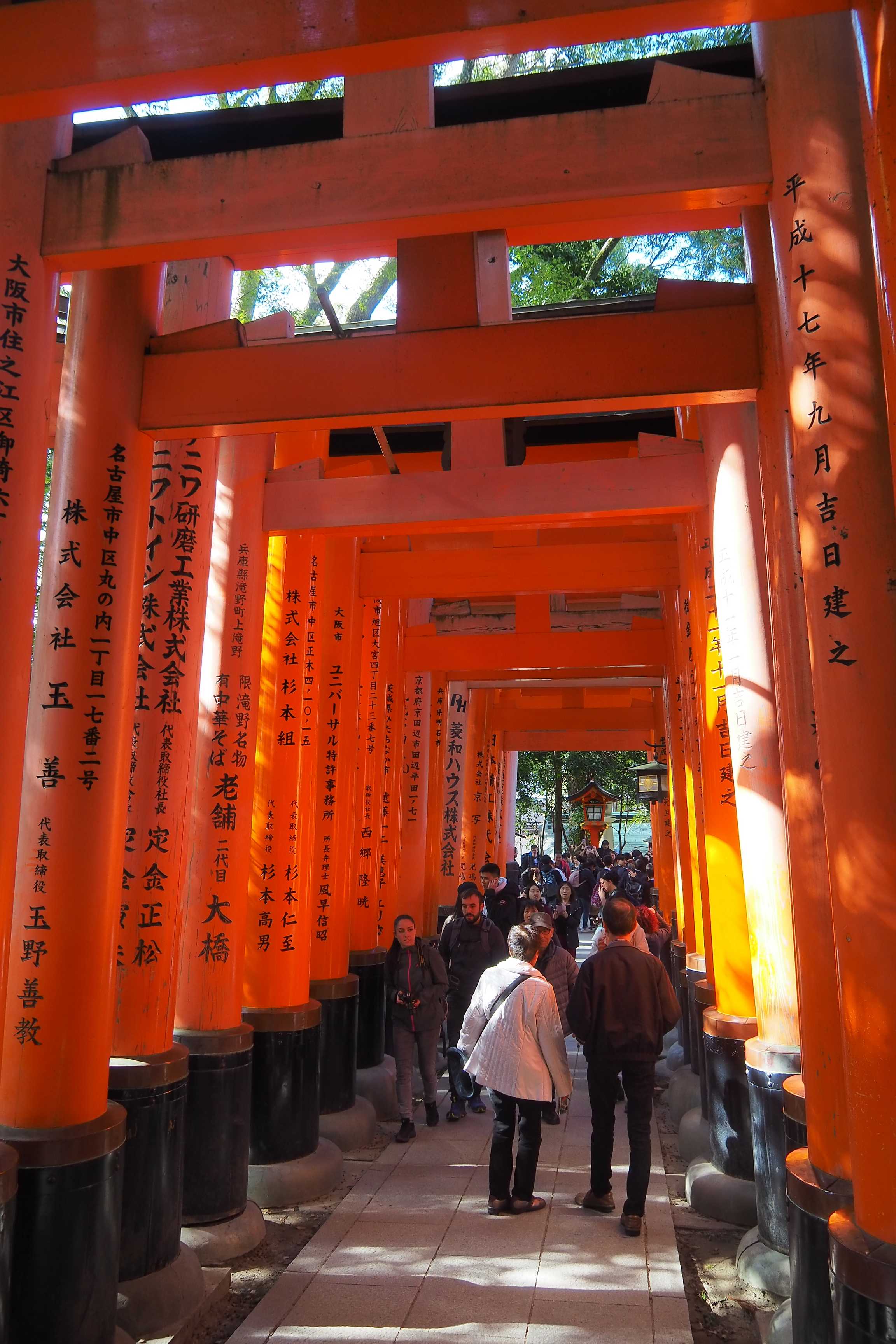
The beginning of the walk is well-supplied with courageous walkers... And everyone wants their photo of the torii tunnel...

We will take 2 hours and 4 kilometers to cover one of the paths offered within the 87 hectares of the sanctuary...
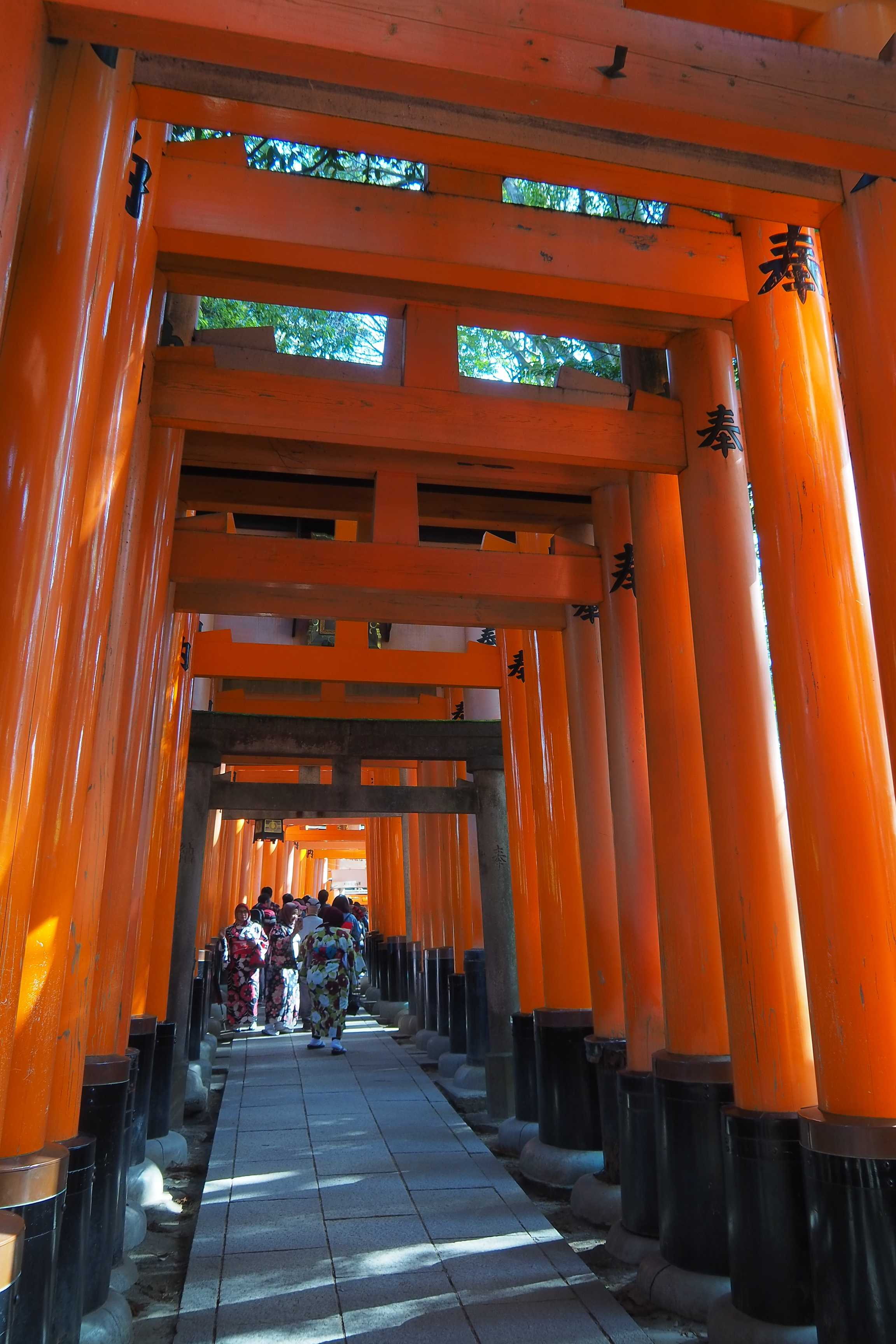


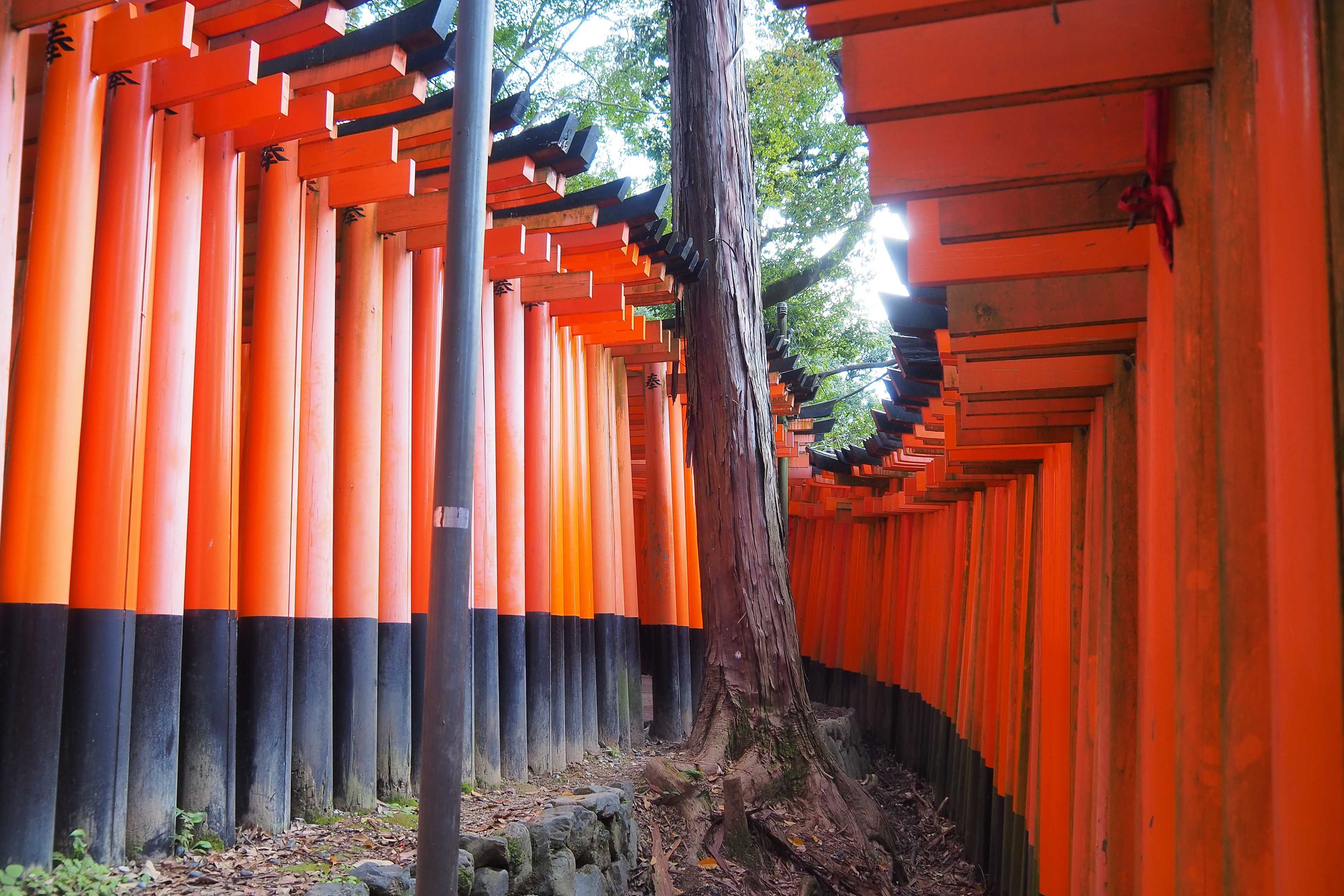


A short break to purify oneself at the chōzubachi (and discreetly quench one's thirst). chuckle.gif


The main path leading to the top of the mountain.
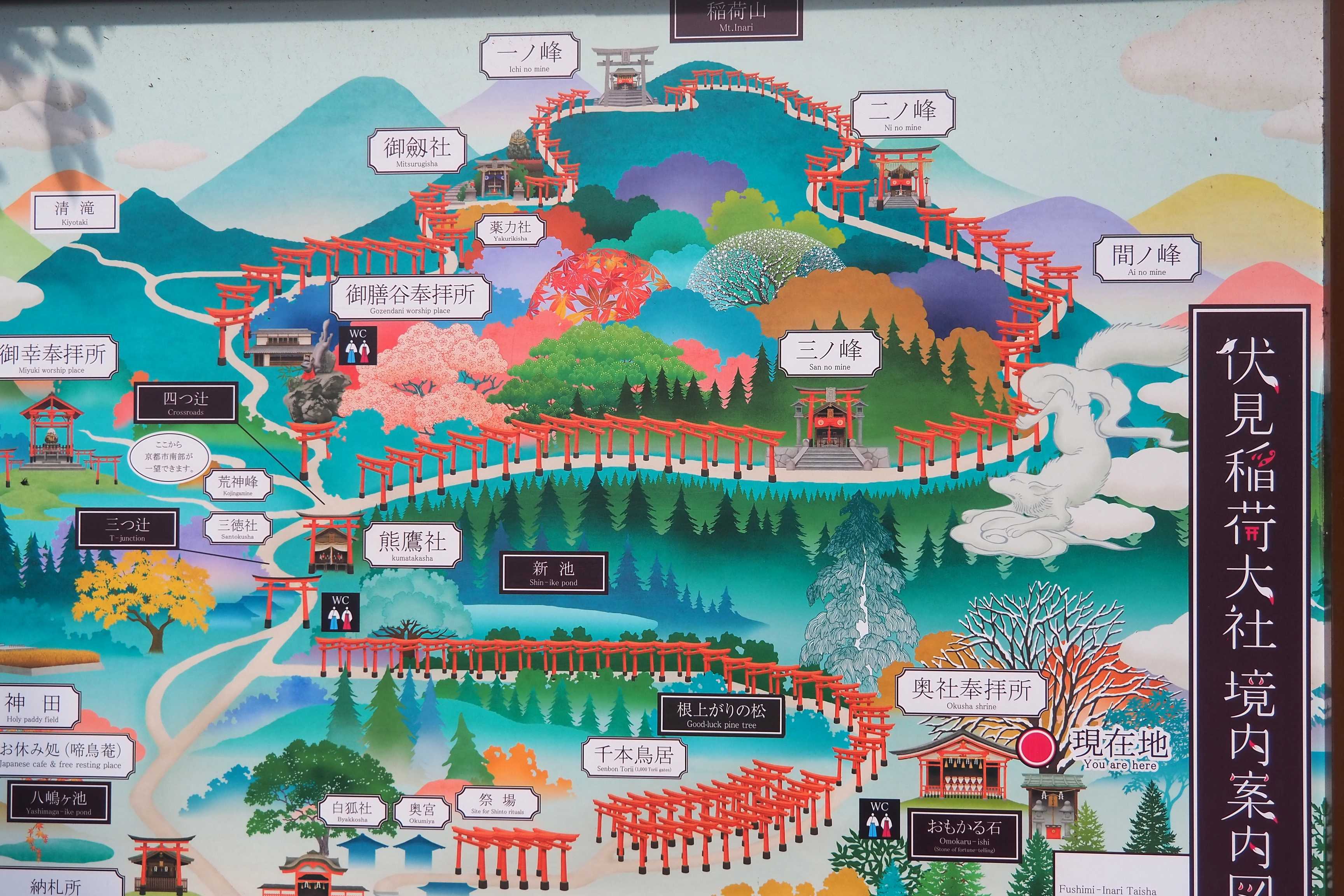
Who says shrine, says traditional attire and the matching hairstyle. yes.gif


The initial crowd thinned out as the path ascended in altitude. wink.gif

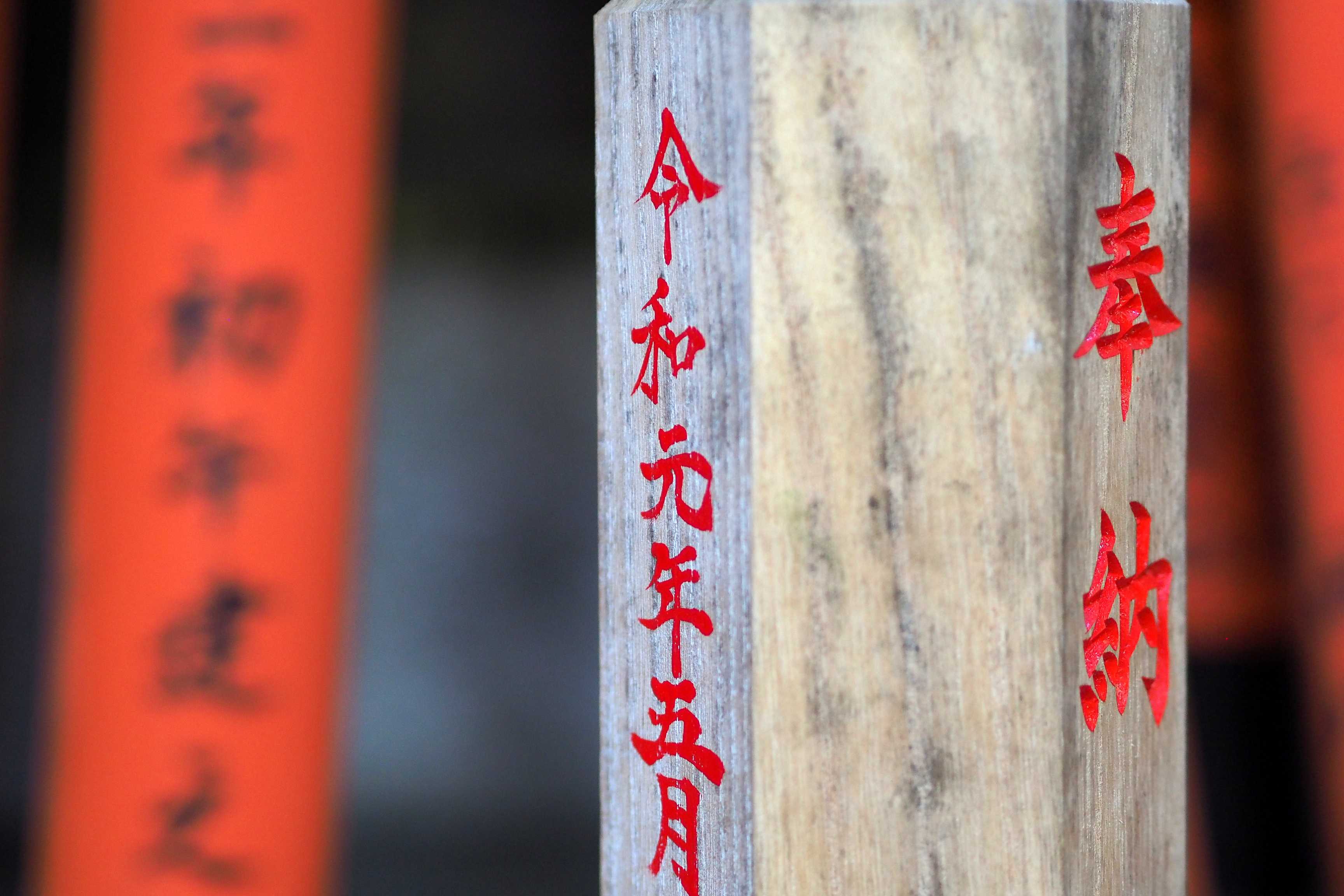
Each torii was financed by a generous donor, whether a simple worshipper or a company. Generous because the donation can exceed 10 thousand euros! glasses.gif
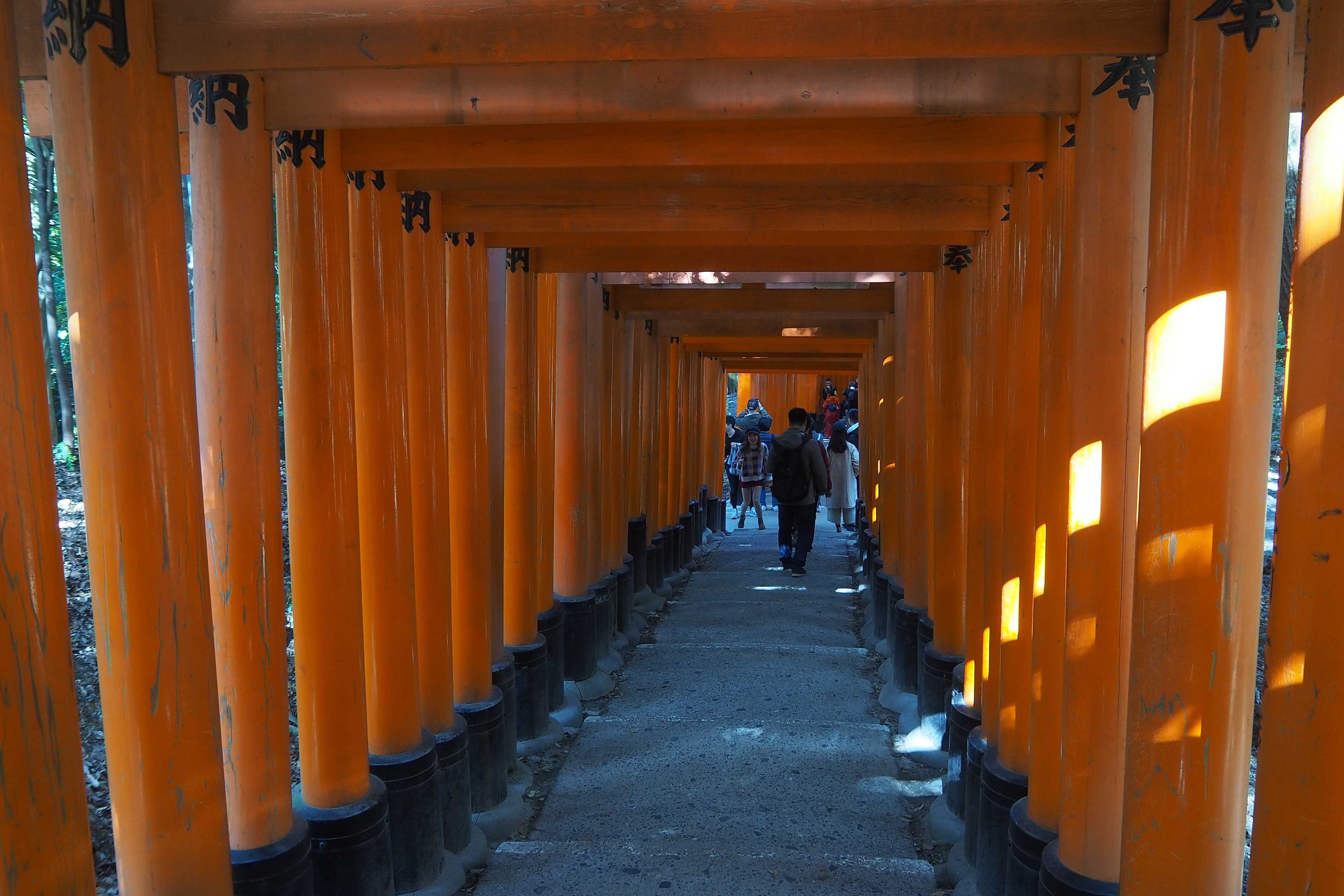
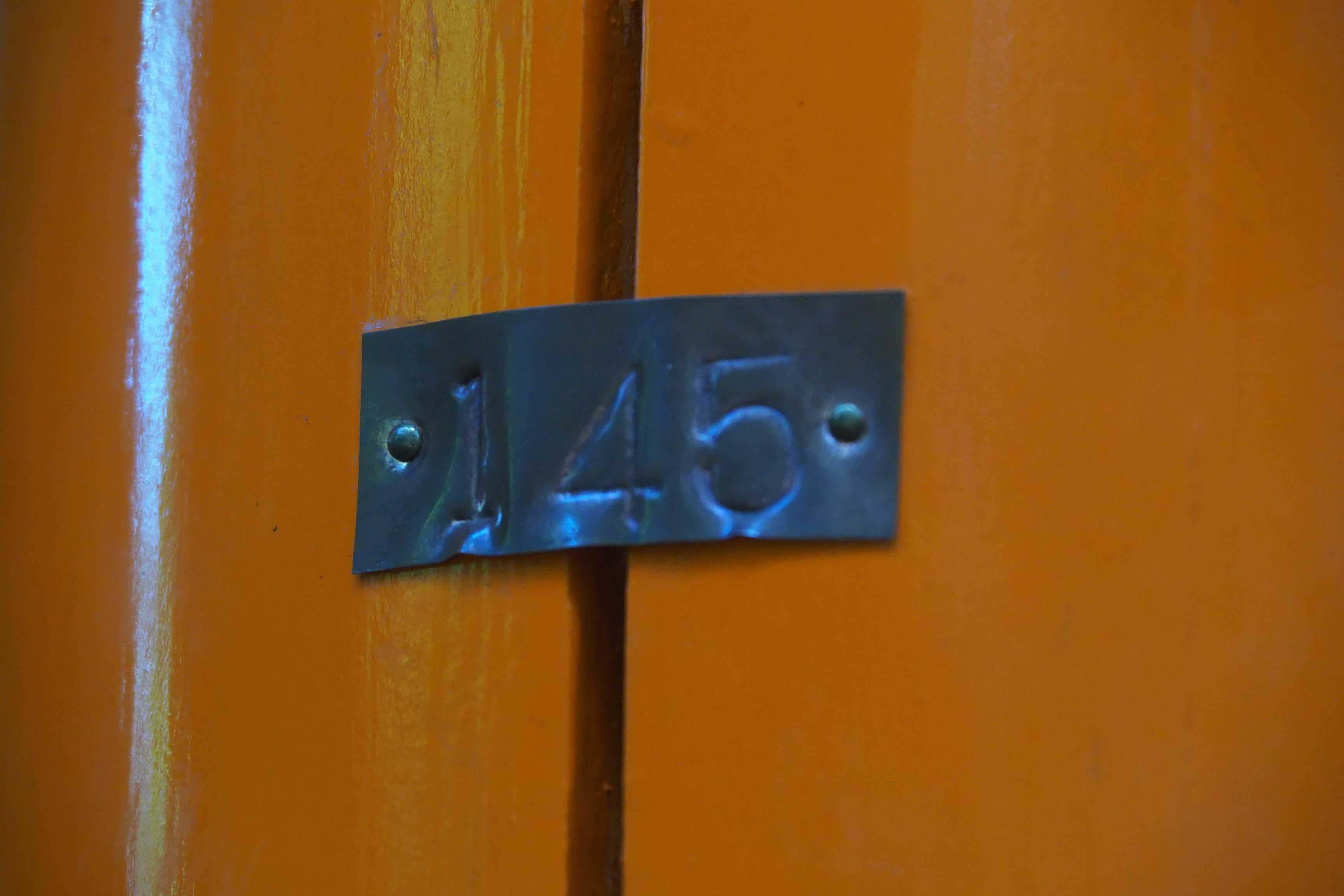


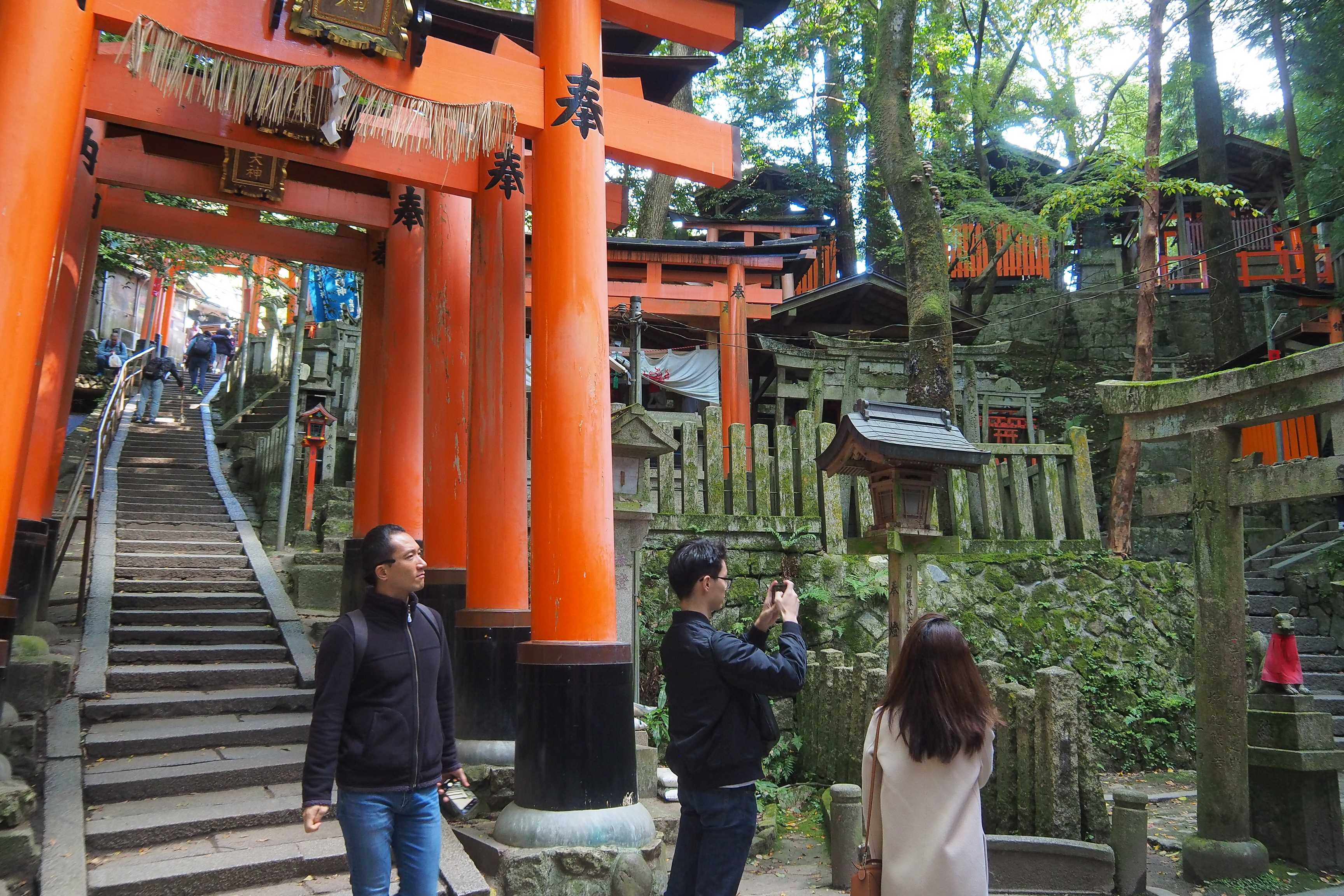
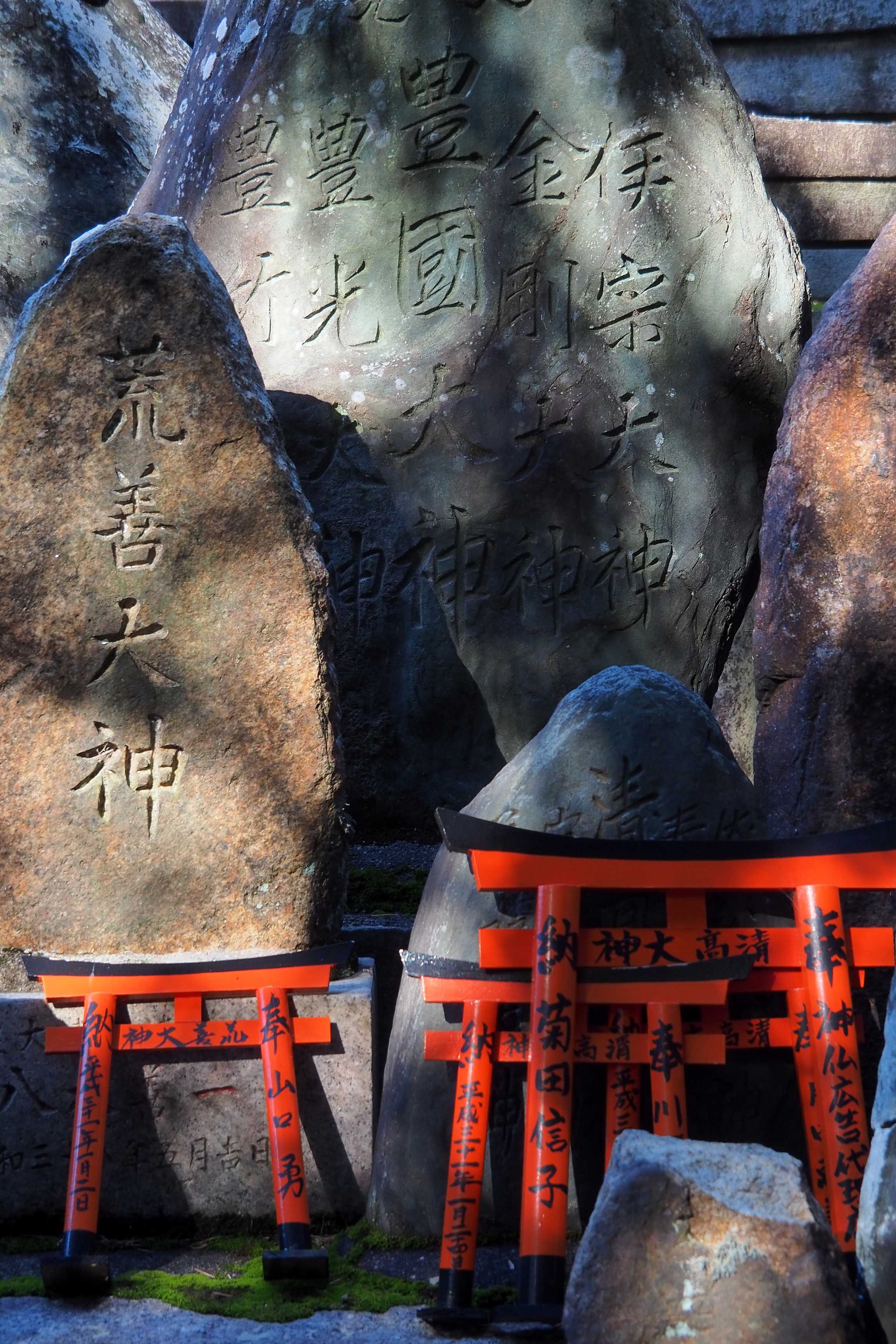
The path passes through areas without torii, if we don't count, of course, all the small replicas that adorn the stone altars.
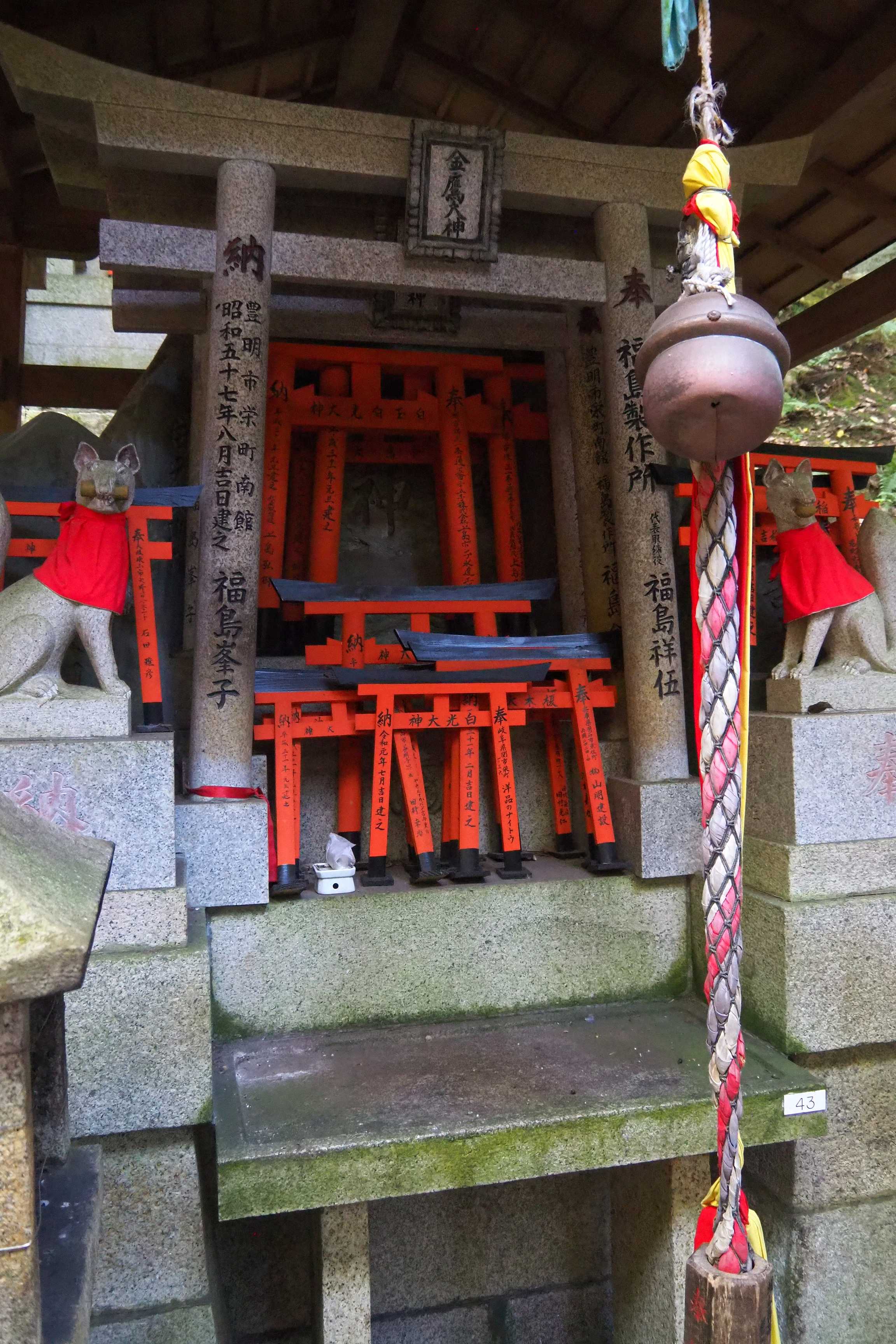
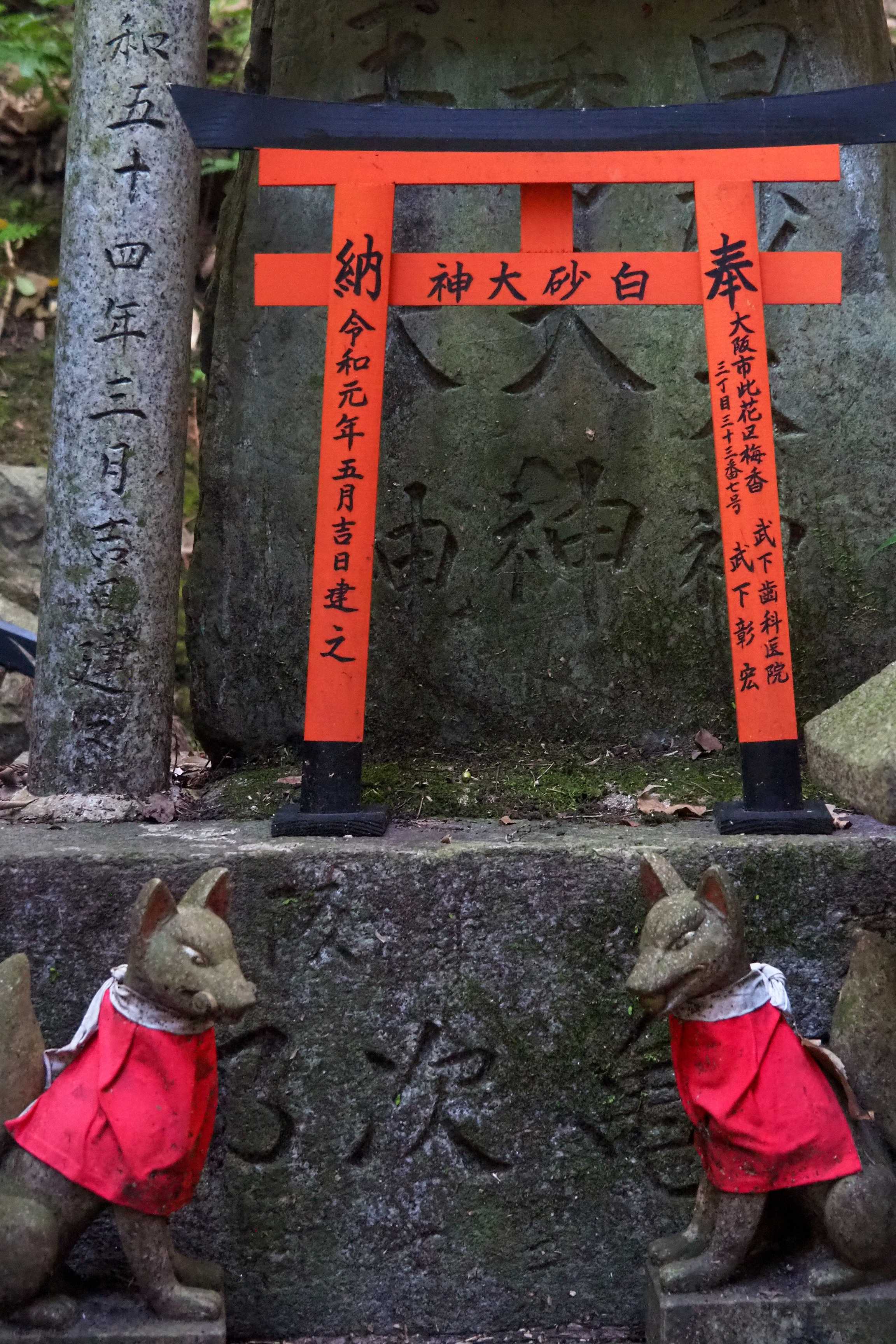
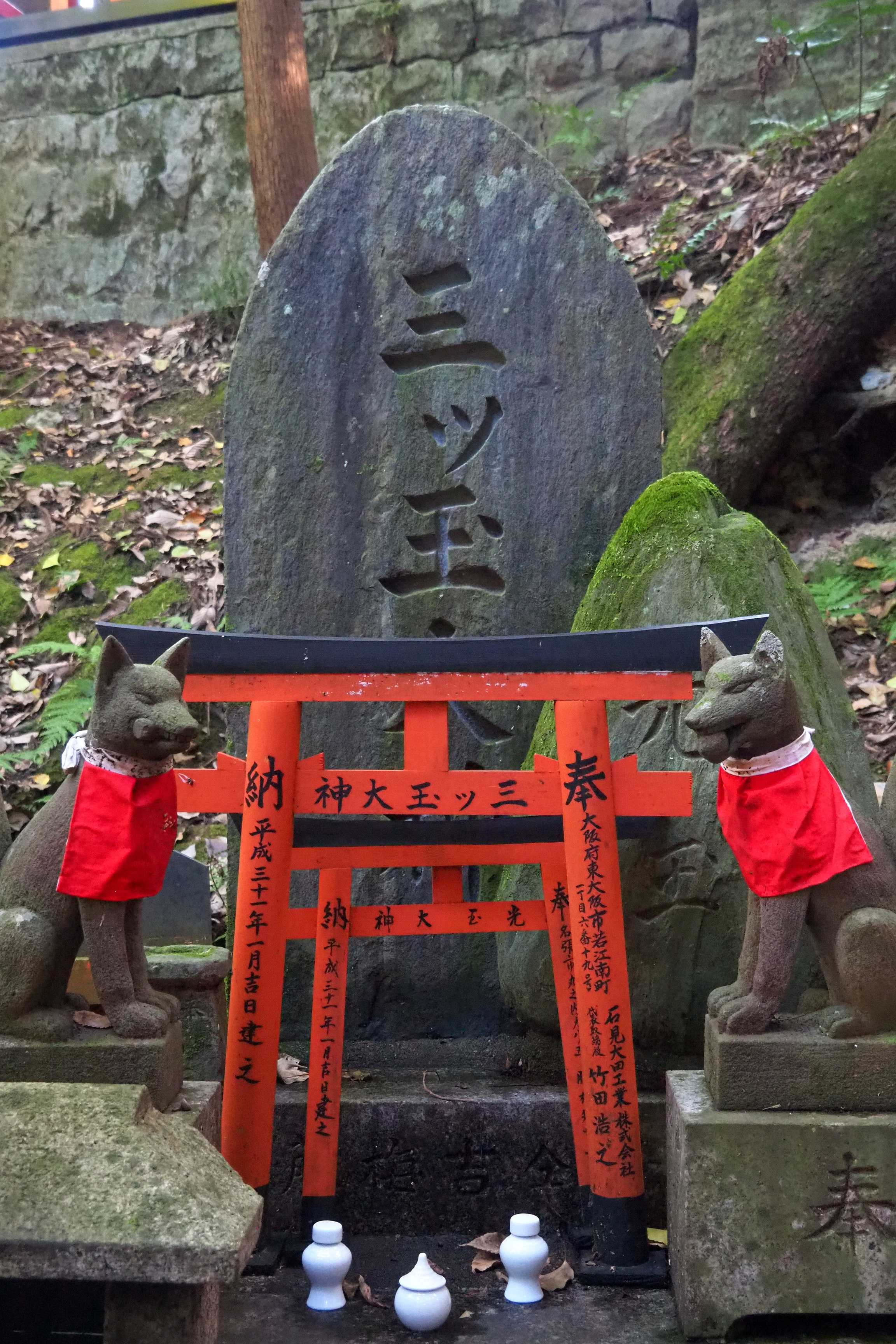
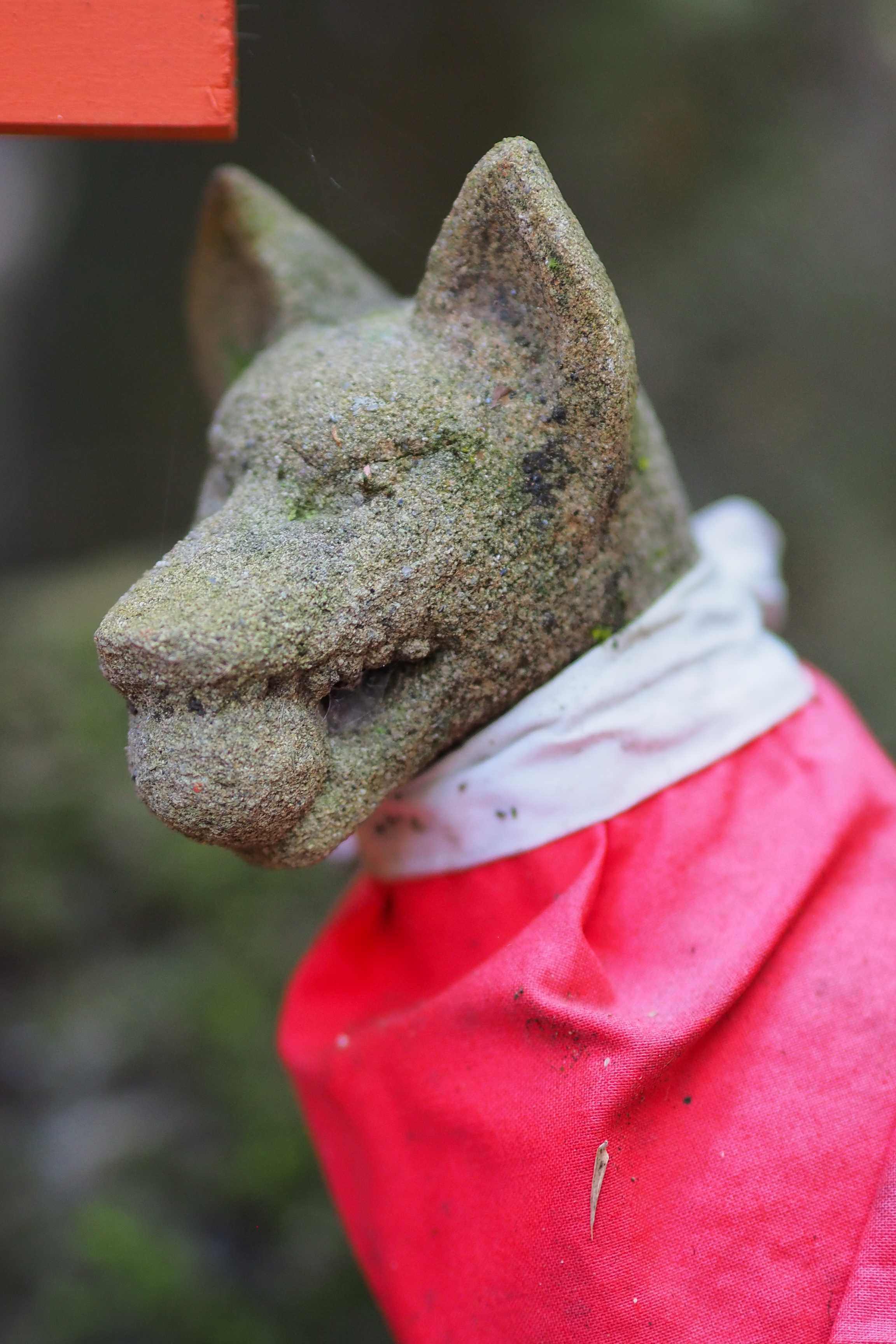
The Kitsune fox is posted everywhere, being the good guardian that it is...

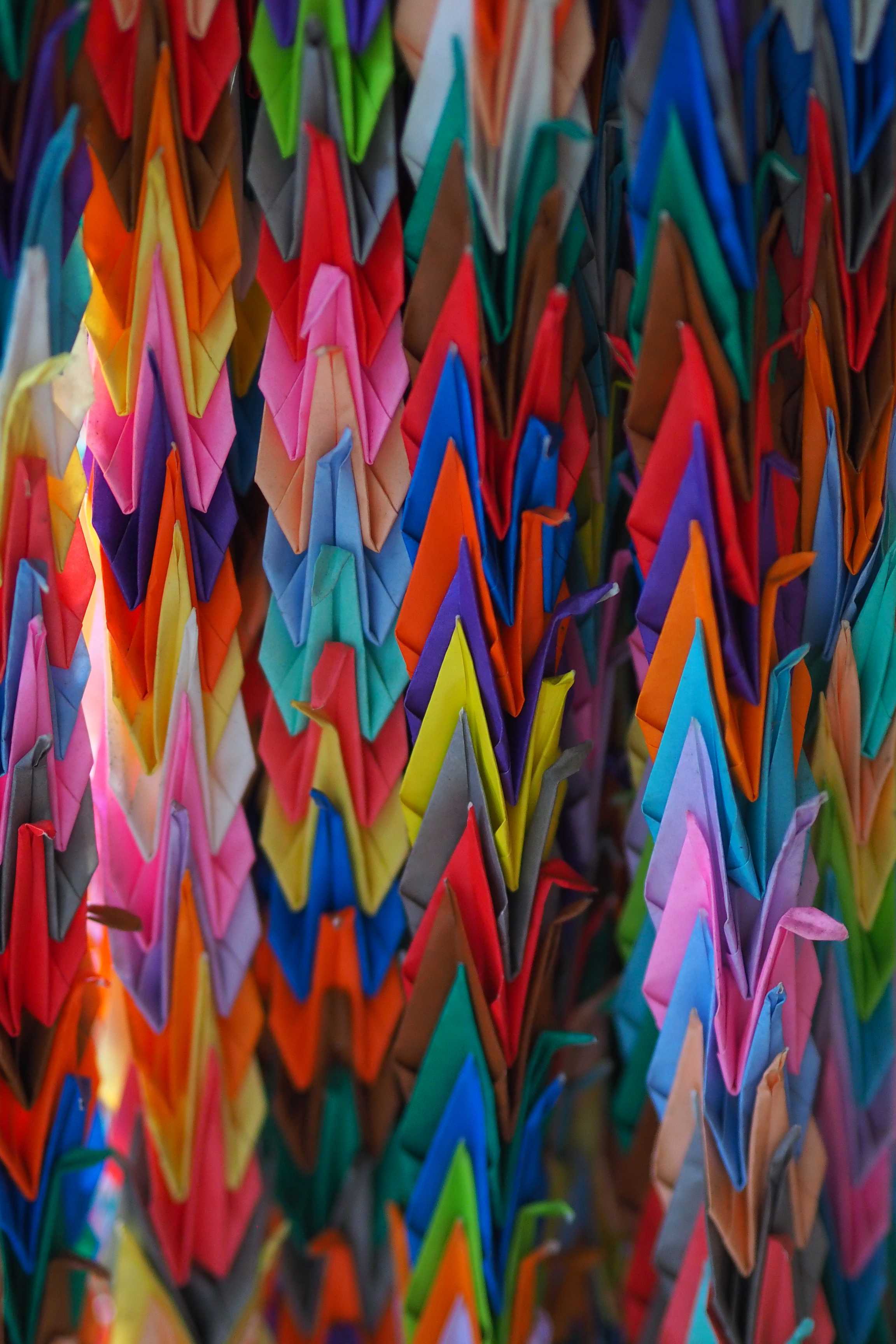
Strings of origami cranes.

We arrive at the luminous Shin Ike pond which reflects the Kumataka Sha temple...

But I'm a rascal, I reversed the photo! chuckle.gif Here's the photo the right way up...mockery.gif


Giant bamboos have found their place among maples and cedars.


And the vermilion orange tunnel continues.


And if you look closer, it's not just the orange that catches the eye. Here's a purple candy bush. That's its real name (Callicarpa dichotoma), you can't make that up... And Formosan toad lilies (Tricyrtis formosana), you can't make that up either... chuckle.gif


Torii web versus spider web... Nephila in this case.


Halfway through, a beautiful view of Kyoto opens up to us.

Then the litany of torii resumes.


Torii donations have a bright future ahead, as evidenced by the spaces still available between these torii. If you wish to contribute to the edifice, you will need to be patient as you will be placed on a waiting list for a few years, and your torii may be erected in the location whose visibility best matches the amount of your donation...

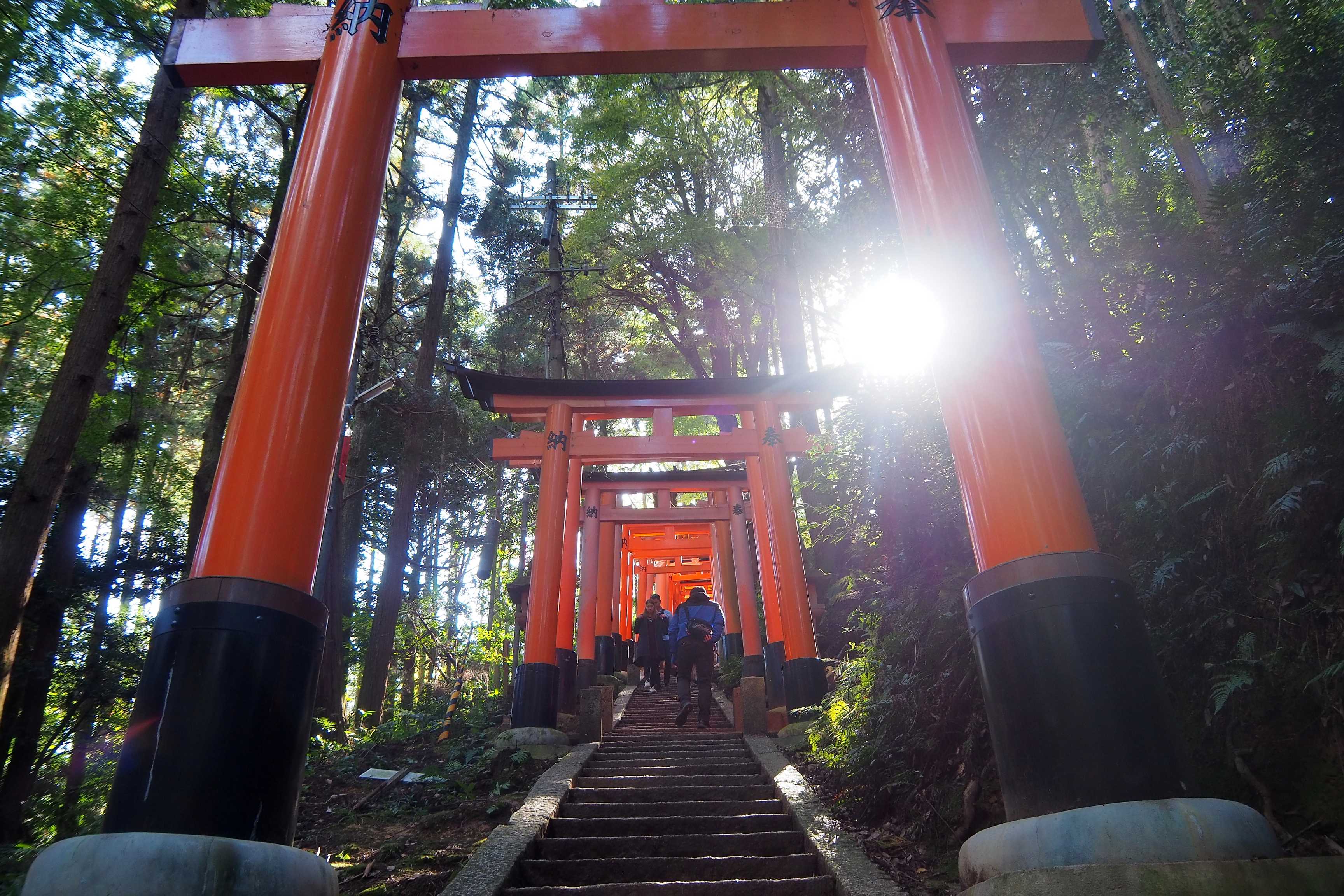
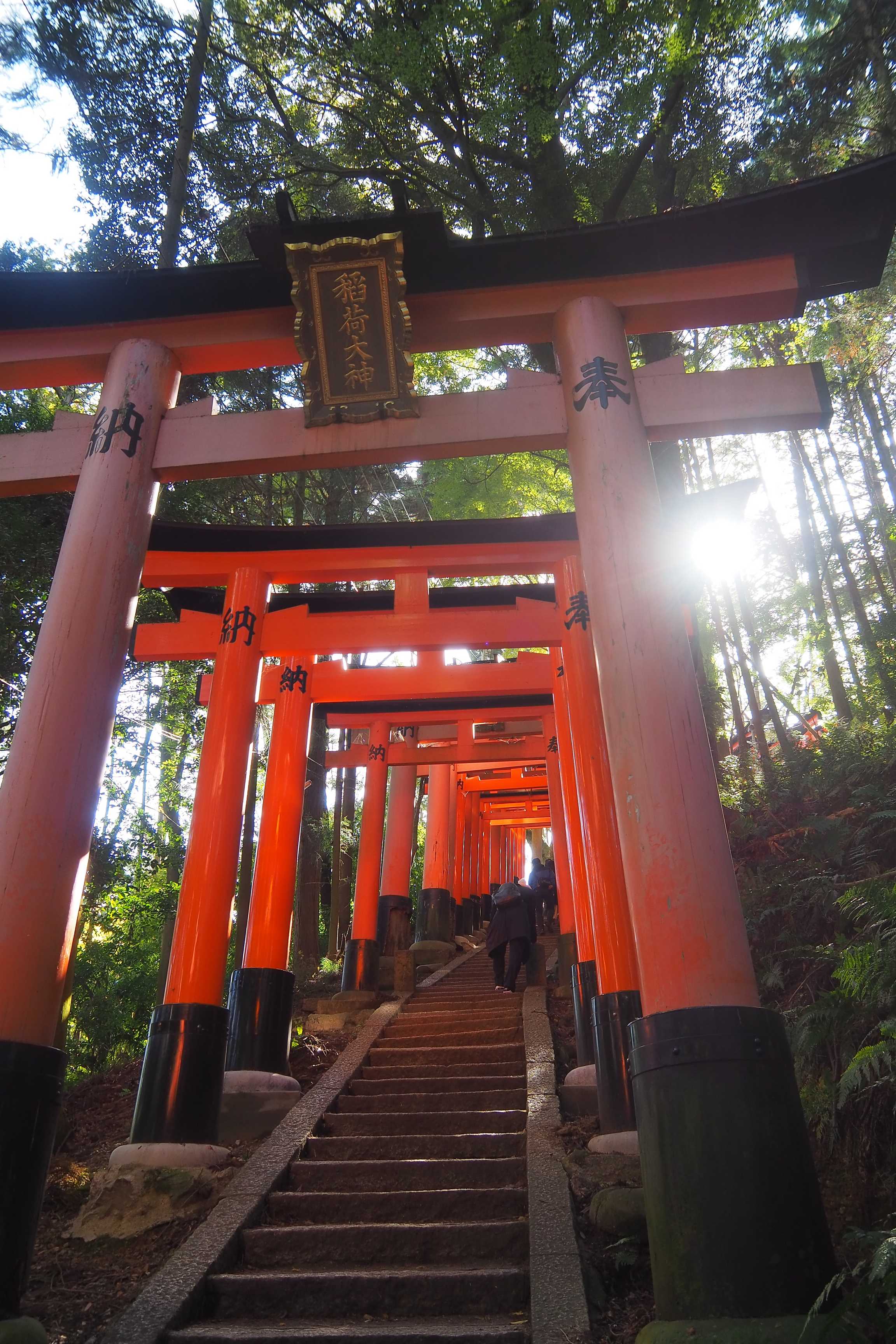
Here we are almost at the end, in front of one of the small temples of the sanctuary.

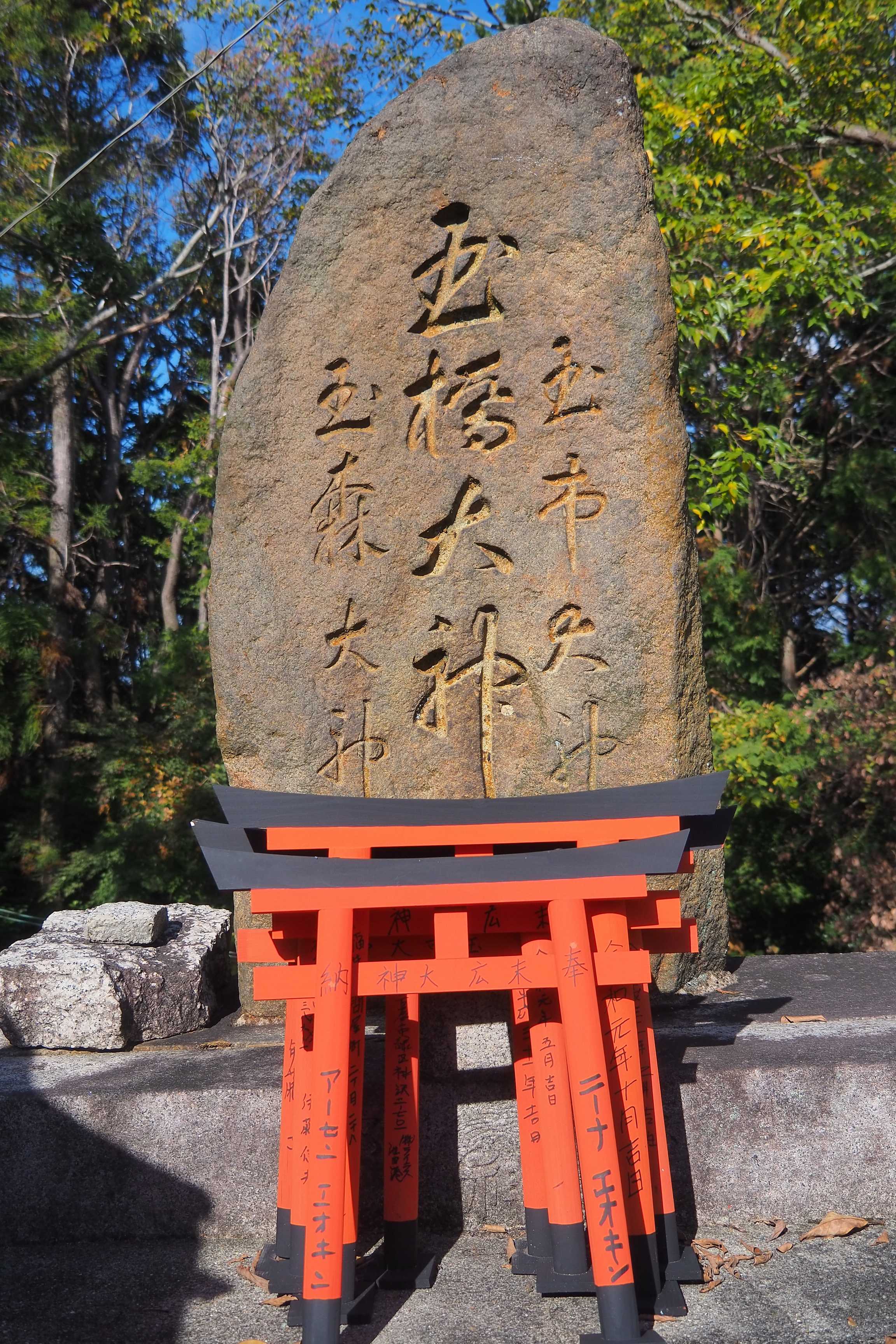

Once you've gone up, you obviously have to come back down... The path consists of two loops that meet in the middle of the mountain, like an elongated figure eight. So we continue the second loop by descending the same slope but not under the same torii.


A small taxonomic session with the large Nephila spider (Trichonephila clavata), an old acquaintance I regularly encounter during my various travels, from Asia to South America.


That's it, we've completed our tour on the mountain and returned to the starting point. We can now head to the neighboring Tofukuji Shrine, located a 15-minute walk away.
Tofukuji Shrine
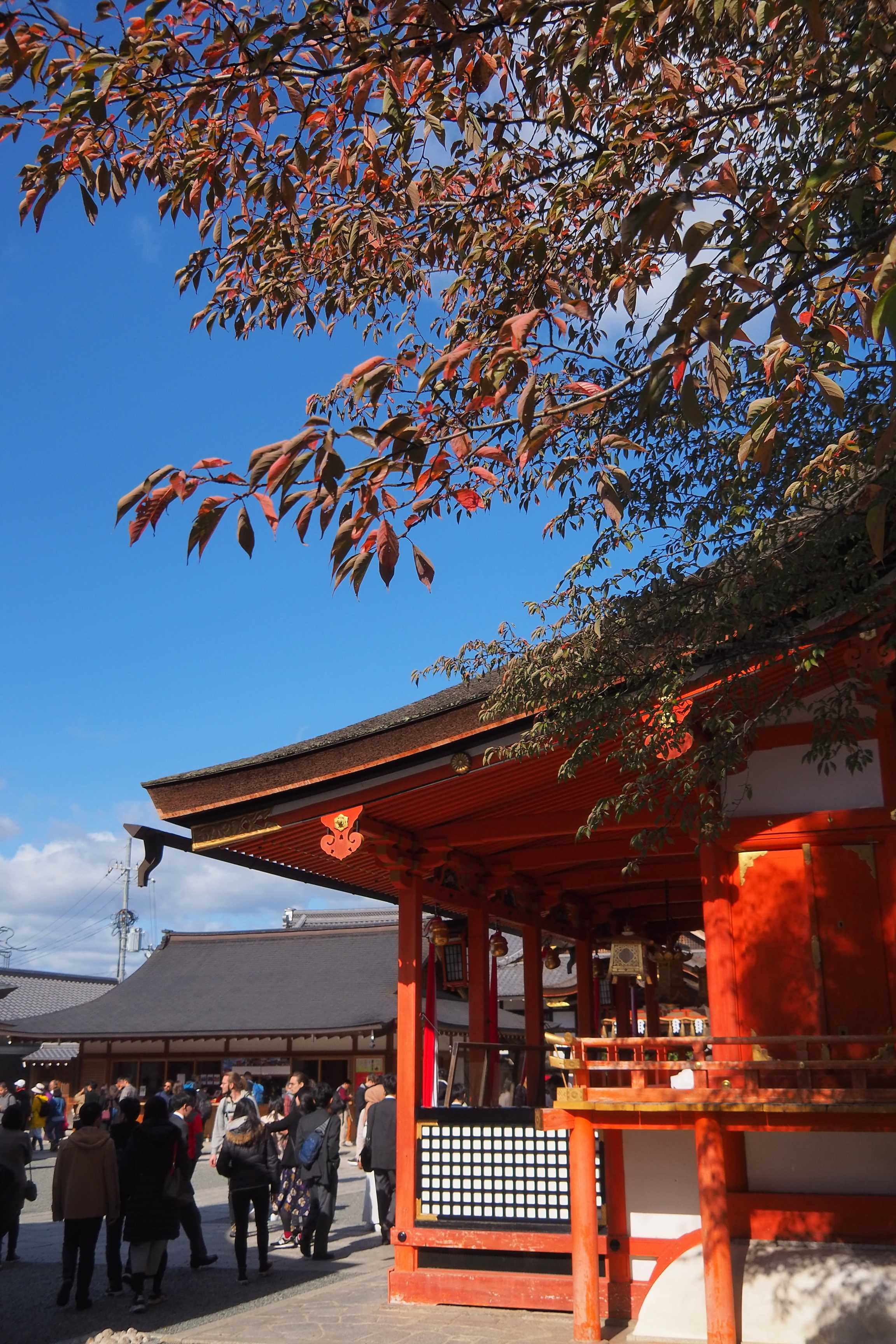
Tofukuji Shrine does not have Torii like its neighbor, but in autumn, it boasts a superbly colorful garden thanks to its maple trees.


The shrine is renowned for its colorful trees, and indeed it is. The green chlorophyll has ceased to operate, allowing the other pigments of the leaf to reveal themselves.


Since its construction in the 13th century, this temple has been the seat of the "Zen" school of Buddhism.

"Zen is a form of silent meditation. This form of meditation (in Sanskrit: dhyāna) is linked, according to the tradition of Zen Buddhism, to the sitting posture of Siddhārtha Gautama when he attained enlightenment under the Bodhi tree more than 2500 years ago."


The covered bridge "Tsutenkyo" offers the best view of the colorful treetops of the park.


The temple's "sanmon". These "open" buildings, without walls on the ground floor, are the gates through which worshippers passed to access the temple.


The pillars of the Sanmon.


Here we are on the other side of the "Tsutenkyo" bridge.


Sanjusangen-do
Another change of shrine, also a 15-minute walk away. We are at Sanjusangen-do, the temple of a thousand and one statues...

Oh no, the 1001 statues are not behind these orange doors...


Nor under this bell...


They are here, behind these wooden walls, in this building 118.22 meters long, the longest wooden structure in the world, if you please...

Alas, taking photos is forbidden inside the building. You will have to come here to pass in front of the 1000 wooden statues representing Senju Kannon, bodhisattva of compassion, and in front of the one thousand and first statue, larger and placed in the center. The latter represents Jūichimen Senju Kannon, another much more powerful Bodhisattva. Sculpted by Tankei, Kōzyō, and Unkei, 13th-century sculptors, this "army" of bodhisattvas is truly impressive. 800 years later, nothing seems able to disturb these peaceful soldiers of Buddhism... yes.gif prostrates.gif


Roof detail with the cylindrical alignment of its tiles.

A busy day for this first day in Kyoto. Tomorrow will be dedicated to the golden and silver pavilions!

Back to the hotel where the washing machine provided will save us. It's been 15 days since we left France, and Kyoto was the stopover city to wash our clothes. Usually, we leave a bag of dirty laundry in the morning at a laundromat, and we pick it up the next day, all clean... But Japan doesn't seem to be a fan of this kind of system, at least we haven't found any... Anyway, we'll have to do the work ourselves, for once... It was an opportunity for us to test Japanese machines, which wash clothes in cold water with a vertically rotating cylinder... To know which button to press, we just pressed the biggest colored one... Brave but not reckless... chuckle.gif


Latest comments
On Guatemala 2018
Le 25 Novembre 2024
Significado de este mural
On Chile 2016
Le 15 Septembre 2024
Rrrrrr
On Egypt 2003
Le 1er Avril 2023
Et oui c'est bien nous aux pieds de ce Colosse !
Le 1er Avril 2023
Bien petits aux pieds de ce Colosse !
On Namibia 2014
Le 3 Août 2021
very good indeed